Can Hurricanes Damage Seawalls Even If They Look Fine in Stuart, FL?
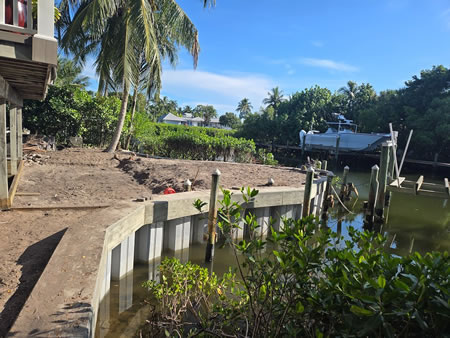
Short answer: yes. Hurricane winds, surge, and days of heavy rain can stress a seawall in ways you cannot see from the lawn. Even if the cap looks clean and the panels look straight, water pressure and scour can create hidden voids, loosen tiebacks, and open joints. If your property sits on the St. Lucie River, Indian River Lagoon, or a canal in North River Shores, Palm City, or Port Salerno, it pays to schedule a quick seawall inspection after a hurricane so problems don’t snowball.
In this guide, you’ll learn why “looks fine” can be misleading, what subtle changes to watch for, and how a professional evaluation protects your yard, dock, and home value. We’ll keep it simple and local to Stuart, FL so you can make confident, safe decisions.
Why Hurricane Seawall Damage Hides In Plain Sight
Hurricanes don’t only hit a wall once. They load it from different angles over several days. First come long-period swells. Then you get wind-driven chop and boat wakes as people reposition vessels. Heavy rain raises groundwater behind the wall. That push-and-pull can move sand through hairline gaps, open joints you cannot spot from above, and fatigue anchors that still look intact.
Do not assume a clean cap means a healthy wall. Many issues begin behind or beneath the wall. By the time you see a sinkhole or a leaning panel, the underlying problem may be weeks old.
What To Look For After A Storm In Stuart, FL
Walk your yard carefully and observe. You are not repairing anything. You are gathering clues to share with a professional. Common post-storm warning signs include:
- Fresh soil settlement, soft spots, or tiny sinkholes behind the wall
- New rust streaks on the cap or along joints
- Hairline cracks that seem to lengthen or widen over a few days
- Water pooling behind the wall long after the tide drops
- Pavers or fence posts near the edge dipping or tilting
- Gaps where panels meet, missing sealant, or rattling cap sections
Pooling water or fresh soil loss behind the wall is an urgent red flag. It often means water is migrating through the structure and carrying sand with it.
How Hurricanes Stress Seawalls Around Stuart
Storm Surge And Overtopping
When water rides high in the St. Lucie River or along Hutchinson Island, it can wash over low caps. Overtopping forces water behind the wall. As that water drains back out, it can tug sand through joints or weep holes that are not sealing as intended.
Groundwater Pressure After Heavy Rain
Days of rain raise the water table behind the wall. That trapped pressure pushes landward to seaward. If relief paths are clogged or joints have opened, pressure looks for the weakest route, which speeds up soil loss and undermines the backfill.
Boat Wake And Wind Chop
In channels like Manatee Pocket or busy sections near Sewall’s Point, repeating wake after a storm can pound compromised joints. The wall might look straight, but cyclic loading still widens microscopic openings over time.
Neighborhood And Waterway Factors That Matter
Every shoreline is different. North River Shores and Jensen Beach canals feel boat traffic more than quiet, shallow coves. Exposed properties near inlets see stronger surge and faster currents. Shaded yards that stay wet longer keep soils soft, which makes settlement easier after water moves through the wall. These local quirks explain why two walls a mile apart age in very different ways.
When To Schedule A Seawall Inspection After A Hurricane
Even if your wall “looks fine,” a short, professional visit after rough weather is smart. Book an inspection if you notice any of the following:
- New cracks, stains, or gaps that were not there last month
- Standing water behind the wall after the tide has dropped
- Fresh settling along the edge of patios, pavers, or walkways
- Unusual noises or movement in cap sections or hardware
- Any leaning, bowing, or loss of soil near tieback locations
Hidden seawall damage after a storm can worsen fast. Quick documentation helps an expert spot patterns and stop the cycle before it reaches your patio or foundation.
What A Professional Inspection Includes
A qualified marine construction team checks the entire system, not just the visible face. Expect a structured assessment of panel alignment and plumb, cap integrity, joints and sealants, drainage paths, and the condition of soils behind the wall. Tiebacks and anchors are reviewed for telltale signs of corrosion or movement. When needed, simple, non-invasive tests and careful probing locate voids you cannot see at the surface.
Because docks, lifts, and landscaping load the wall in different ways, your inspector will also note nearby structures and recent upgrades. If you’ve added a heavier boat lift or hardscape near the edge, that extra weight may change the repair plan. If you want a broader safety review of your waterfront setup, ask about marine inspections in Stuart during the same visit.
Repair Or Replacement: How Pros Decide
Most storm-related issues are localized and repairable when found early. Resealing joints, reinforcing tiebacks, stabilizing limited sections, and restoring backfill can halt soil movement and extend wall life. When panels are badly bowed, anchors are failing in multiple locations, or soil loss threatens the yard, a larger rebuild may be the safe path. Your contractor will weigh wall age, degree of movement, exposure to surge and wake, and site access before recommending next steps. For an overview of warning signs, this article on seawall repair or replacement signs in Stuart is a helpful refresher.
Stuart Weather Patterns And Timing
On the Treasure Coast, late summer and fall bring the roughest mix of wind, surge, and rain. Add fall king tides and weekend boat traffic, and a wall that “passed the eye test” on Monday can look very different by Friday. That’s why homeowners in Sewall’s Point, Palm City, and Port Salerno often plan quick post-storm checkups even when damage is not obvious.
Common Misconceptions After A Hurricane
“No Cracks, No Problem.”
Cracks are only one symptom. Many failures start behind the wall where you cannot see movement. Voids and loose tiebacks can develop while the face still looks clean.
“The Wall Didn’t Overtop, So It’s Fine.”
Even without overtopping, raised groundwater and driven rain can load the landward side and push water through joints. That hidden pressure matters just as much as waves on the outside face.
“If It Moves, I’ll Notice Right Away.”
Movement is often gradual. Millimeters become centimeters over weeks. By the time a panel looks off, the backfill may have already washed out. Early professional checks are far cheaper than emergency rescues later.
How Lands End Marine Construction Protects Your Waterfront
Our local team understands Stuart’s shorelines, tidal swings, and weekend wake patterns. We document current conditions with photos, note subtle changes, and give you a simple plan to restore and maintain strength. If repairs are recommended, they focus on safety and durability first. When you are ready to take the next step, review our approach to seawalls and shoreline protection so you know exactly how we build for long-term performance.
Planning Ahead For The Next Storm
Create a simple, two-part routine. First, schedule a quick pro check before the most active part of the season. Second, get a short follow-up after any storm that brings days of gusts, high water, or widespread rain. Keep a notebook or photo album for your seawall so changes are easy to compare over time. If you are new to the area, start at our home base for more context on hurricane seawall damage in Stuart, FL and how we serve local neighborhoods.
Real-World Examples From Around Town
We frequently see small voids form along canal edges in North River Shores after a week of rain and wind. On more exposed sections near inlets, repetitive wake after a storm weekend can widen tiny joint gaps. In shaded yards where soils stay damp, pavers near the edge may settle even though the face of the wall remains clean. These are all fixable when caught early by a professional visit.
For a homeowner’s-eye view of early warning signs, you can also skim our guide to the top signs you need a seawall contractor to inspect your seawall. It pairs well with a site assessment from our team.
Safety First On The Waterfront
Never walk on or lean over a wall right after a storm. Undermined ground can collapse without warning, and wet caps are slippery. Keep kids and pets away from the edge until a professional confirms stability. Treat all new cracks, pooling, and rust streaks as signals to call a pro instead of a weekend project.
Next Step: Get Eyes On Your Wall
If you spotted any of the signs above, or if your property took a beating from wind and rain, let a local specialist evaluate your shoreline. A fast, focused visit gives you clarity and a plan you can trust. To talk with a pro at Lands End Marine Construction, call 561-722-8822 or connect with our seawall experts in Stuart before the next round of storms arrives.
REACH OUT TO LANDS END MARINE CONSTRUCTION IN STUART AND SURROUNDING AREAS FOR YOUR NEXT MARINE PROJECT