Top Signs You Need a Seawall Contractor to Inspect Your Seawall in Stuart, FL
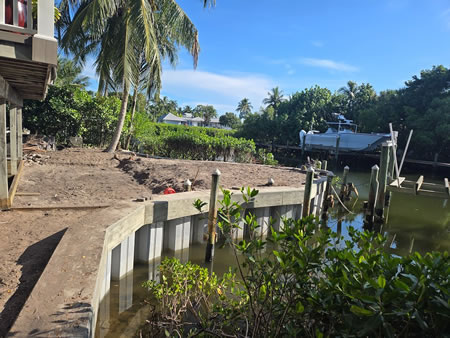
Waterfront living around the St. Lucie River and Indian River Lagoon is a dream, but tides, boat wakes, and summer storms can wear out your seawall faster than you think. If you suspect trouble, a quick visit from a trusted seawall contractor can help you catch problems before they become emergencies. This guide shows the most common warning signs in Stuart, FL, and explains when inspections and repairs make sense.
Whether you’re in Sewall’s Point, Palm City, North River Shores, or Port Salerno, the same rule applies: spot issues early and act fast. Your seawall is the first line of defense for your home, dock, and backyard.
Clear Signs Your Seawall Needs A Professional Inspection
Walk your property after a heavy rain, king tide, or weekend of heavy boat traffic. If you notice any of the signs below, schedule an inspection right away.
- Cracks or spalling on the cap
- Leaning or bowing panels
- Soil loss, sinkholes, or voids behind the wall
- Water is pooling behind the wall after high tide
- Rust staining, corroded tie-backs, or failing hardware
- Separated joints, missing sealant, or displaced riprap
Cracks And Cap Damage
Hairline cracks can be normal, but spreading or deep cracks on the cap reduce strength and let water in. In Stuart’s salty environment, exposed rebar corrodes and widens damage. If you see spalling concrete or rust stains on the cap, it’s time to bring in a pro for a detailed look.
Leaning Or Bowing Panels
Panels that lean toward the water or bow inland are under uneven pressure. That pressure often increases after long rain events or king tides that raise groundwater behind the wall. **Do not walk on a leaning wall** and avoid placing heavy items like planters or pavers near the edge.
Soil Loss And Small Sinkholes
Sandy soils common in Martin County can wash through tiny openings, forming voids you may notice as soft spots or small sinkholes in the yard. If left alone, those voids grow and stress the wall. You might also see pavers settling or fence posts tilting near the shoreline.
Water Pooling Behind The Wall
Standing water on the land side after a normal tide points to drainage issues or joint failures. **Call a pro immediately if water is pooling behind the wall**, especially if the pooling lines up with a specific panel or joint. That can signal seepage that rapidly erodes soil.
Corroded Tie-Backs Or Hardware
Tie-backs and anchors counteract the force of the water. When they corrode or loosen, the wall loses support, which shows up as new cracks, leaning, or rattling cap sections. Corrosion moves faster in brackish areas near inlets and marinas, so attention here pays off.
Gaps, Open Joints, And Failing Sealant
Open joints let water migrate through the wall and carry sand with it. In neighborhoods like Rio and Jensen Beach, repeated boat wakes can pound those joints and widen the gaps. Freshly sealed joints should be watertight and flexible.
When To Schedule Seawall Inspections In Stuart, FL
Inspections are about timing and consistency. Our area’s mix of tides, rising groundwater after summer rains, and frequent boat traffic means small problems can grow quickly. Use this simple timing guide:
- Every year for walls older than 15–20 years, or after any major storm
- Before hurricane season and after prolonged heavy rainfall
- When buying or selling a waterfront home
- After adding a dock, boat lift, or heavy landscaping near the shoreline
These check-ins help you plan maintenance on your schedule and avoid emergency disruption during the wet season.
What A Professional Seawall Inspection Includes
A thorough inspection goes beyond a quick walkthrough. A marine construction specialist checks the entire system, not just individual parts.
Structural Review
The contractor evaluates panel alignment, cap integrity, tie-back tension points, and overall wall plumb. Simple measurements and level checks can reveal subtle shifts that you may not notice from above.
Drainage And Seepage Check
Weep holes, joints, and outfalls are inspected to confirm that water can exit the land side without carrying soil with it. Stains or salt deposits often mark hidden leaks. **Small cracks spread faster during king tides**, so joint condition matters.
Soils And Backfill Condition
The area behind the wall is probed for voids and soft zones. In places like Sailfish Point and Hutchinson Island, wave energy and seasonal surges can move sand quickly, so void detection is a priority.
Adjacent Structures And Loads
Docks, lifts, patios, and retaining features change how loads transfer to your wall. If you recently upgraded a boat lift or added hardscape near the edge, your inspector will account for those changes.
Want more practical homeowner guidance? Browse our latest posts on marine construction tips to see how maintenance timing and materials affect seawall life.
Repair Versus Replacement: How Pros Decide
Not every problem means a full rebuild. In many cases, targeted repairs extend service life and reduce disruption.
When Repair Is Typically Recommended
Local contractors often recommend repair when damage is isolated, and the core structure is still sound. Examples include:
• Short sections of cracked cap that can be reinforced
• Joint resealing to stop seepage
• Limited panel stabilization with new anchors or tie-backs
Repairs like these address the cause and buy time, especially when scheduled before peak storm season.
When Replacement Makes Sense
Full replacement is considered when panels are severely bowed, tie-back systems have widespread corrosion, or ongoing soil loss threatens your yard and foundation. In older walls that have reached the end of their service life, new materials and modern anchoring restore long-term protection and reduce future maintenance.
How The Decision Is Made
Your contractor weighs wall age, extent of movement, soil conditions, and repeated drainage issues. They also look at site access and environmental factors like boat wake exposure. The goal is to deliver the safest, most durable option for your shoreline.
Local Factors Stuart, FL Homeowners Should Consider
Martin County has unique conditions that influence seawall performance. Here’s what we see on the ground:
Boat Wake And Weekend Traffic
Sections of the St. Lucie River and canals around North River Shores experience steady wake during high-traffic weekends. Repeated lateral loads fatigue joints and caps, which is why routine checks matter even if storms are mild.
Summer Rains And Groundwater
Intense afternoon thunderstorms raise groundwater behind the wall. If drainage paths are blocked, pressure builds and forces water through weak points, carrying sand with it. Keeping joints sealed and outlets clear prevents that cycle.
King Tides In Fall
Higher-than-normal tides can push water through older joints and overtop low caps. After king tides, scan for new rust stains, fresh soil settlement, or pooling. Quick detection here saves landscaping and hardscape.
How A Seawall Contractor Helps You Plan Ahead
A trusted partner will document conditions, photograph changes, and create a simple maintenance schedule. That plan reduces stress, protects home value, and keeps your dock usable. If your inspector recommends action, you’ll also get options that prioritize safety and durability.
Because docks and walls work as one system, coordinating any future upgrades is smart. If you’re considering dock improvements, read up on our dock services so that both structures support each other.
Simple Steps You Can Take Between Professional Visits
These homeowner observations help you stay ahead between checkups. They are not DIY repair tips, just signs to document and report:
• Take dated photos of recurring cracks or stains to track change over time
• After heavy rain, note any pooling patterns behind the wall and how fast they drain
Share these notes with your inspector so they can spot trends quickly. If anything looks urgent, reach out to a professional marine construction contractor in Stuart, FL for guidance from Lands End Marine Construction.
Ready To Protect Your Waterfront Investment?
If you see any of the warning signs in this article, schedule a professional inspection before the next big storm cycle. A quick evaluation can prevent avoidable damage and keep your shoreline secure. For timely help from Lands End Marine Construction, call 561-722-8822 or request an inspection through our seawall service page today.
Why Homeowners Choose Lands End Marine Construction On The Treasure Coast
Homeowners across Stuart and the surrounding communities trust our team for clear communication and durable results. We focus on safety, long-term performance, and minimal disruption to your waterfront lifestyle. **Annual inspections before hurricane season** and after severe weather give you peace of mind and a plan you can count on.
If you’re new to waterfront ownership, browse more insights on marine construction tips, then connect with our team to map out a maintenance schedule that fits your property. When you’re ready, schedule with our seawall experts and keep your shoreline protected year-round.
REACH OUT TO LANDS END MARINE CONSTRUCTION IN STUART AND SURROUNDING AREAS FOR YOUR NEXT MARINE PROJECT