What Is the Best Material for Seawalls in Florida: Vinyl, Concrete, or Steel?
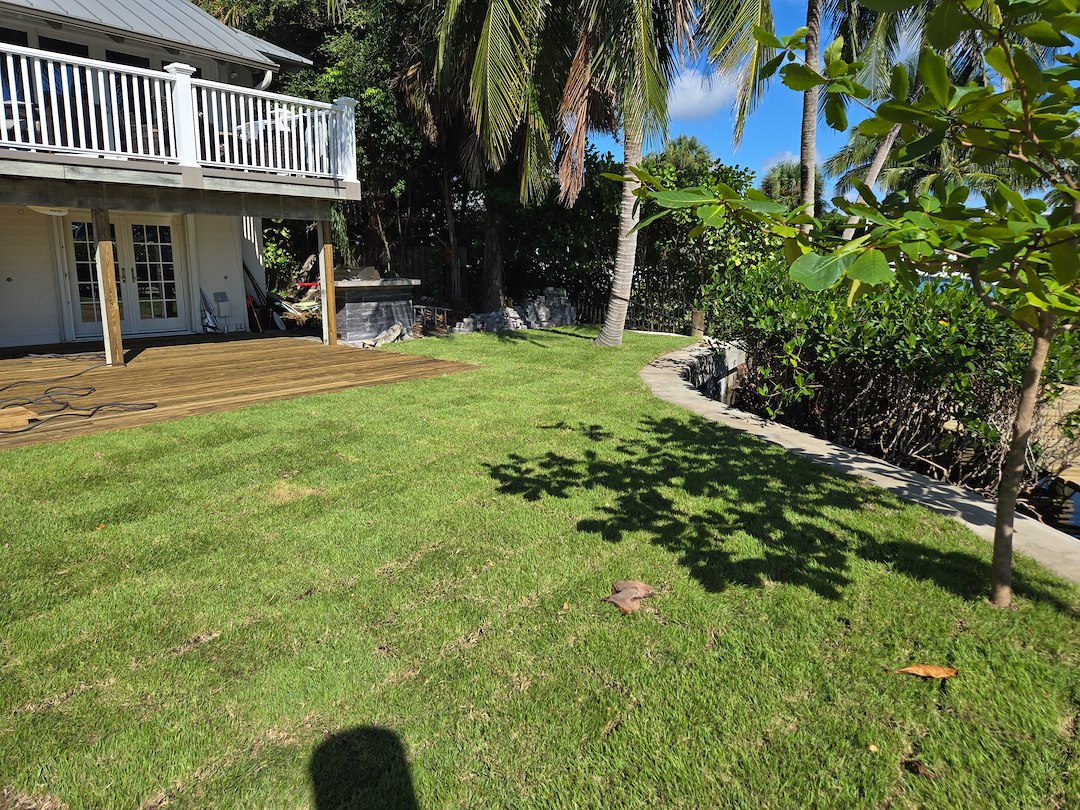
If you live on the Treasure Coast, you have good reason to ask about the best seawall material in Stuart, FL. Saltwater, boat wake, king tides, and hurricane-season surge can be tough on shoreline structures. The “right” choice is not one-size-fits-all. It depends on your site, your goals, and how each material behaves in our waters.
As a local marine construction team, Lands End Marine Construction designs and builds engineered seawalls for homes along the St. Lucie River, Indian River Lagoon, and canals throughout Sewall’s Point, Palm City, Port Salerno, Jensen Beach, and Hutchinson Island. If you want a tailored plan, our seawall construction experts can evaluate your shoreline and explain options in plain language.
How Florida Conditions Shape Material Choice
Before we compare vinyl, concrete, and steel, think about the forces at work on a Stuart waterfront:
- Daily water movement: tides, wind-driven chop, and frequent boat wake on narrow channels
- Soils: mostly sandy with sections of muck, plus a high water table
- Salt exposure: year-round corrosion risk that speeds up around splash and tide zones
- Storms: heavy rain, surge, and prolonged pressure during tropical systems
These factors change how each seawall performs. A quiet canal in Palm City does not behave like a windy lagoon frontage on Hutchinson Island. Good design and material selection account for those differences from the start.
Material Breakdown: Vinyl vs Concrete vs Steel
Vinyl (PVC) Seawalls
Vinyl sheet piling is common across the Treasure Coast. It resists rot and corrosion, it is lightweight for installation, and it looks clean for years with basic care. Many homeowners prefer vinyl where exposure is moderate and soil allows for proper embedment.
Strength comes from the panel profile, wall depth, tiebacks, and a reinforced concrete cap. In many Stuart canals with steady wake but limited fetch, a properly engineered vinyl system performs well for the long term. It is also a strong choice for properties that value a consistent, low-maintenance look.
Homeowner tip: always ask for an engineered design, not just a material spec. The design ties panel depth, spacing, and tiebacks to your soil and water conditions.
Concrete Seawalls
Concrete is durable, widely used, and familiar. Many older Treasure Coast seawalls were cast-in-place or used precast concrete panels with a concrete cap. Properly built, concrete handles repeated loading and offers a solid, quiet barrier against wake.
Concrete needs thoughtful detailing. Cracks can let saltwater reach the reinforcing steel. That is why high-quality mix, good cover over rebar, drainage, and a robust cap matter. In open-water or high-traffic zones, concrete’s mass can be an advantage when paired with sound engineering.
Steel Seawalls
Steel sheet piling brings high strength and is often used where driving conditions are harder or exposure is greater. It can be the right fit for specific locations that need extra rigidity or greater wall height. Coatings and ongoing care are important, because steel and saltwater are not friendly over time.
Heads-up: saltwater corrosion is relentless; uncoated or poorly maintained steel will show wear faster than you expect. Work with a contractor who explains coating choices and realistic upkeep.
Pros and Cons at a Glance
- Vinyl: corrosion-resistant, clean look, lighter installation; less rigid than steel, needs correct embedment and tieback design
- Concrete: proven strength and mass, good in wake-prone areas; must control cracking and protect rebar from salt intrusion
- Steel: very strong and versatile; requires coatings and vigilant maintenance in saltwater settings
Which Material Fits Where Around Stuart, FL?
Every shoreline is different, but these local patterns are common:
Canals with steady wake (Port Salerno, Palm City): Vinyl or concrete both work well when the design accounts for boat traffic and sandy soils. Vinyl is popular for its clean look and durability. Concrete adds mass where wakes bounce between seawalls.
Open lagoon frontage (Indian River Lagoon, North Fork of the St. Lucie): Heavier exposure may favor concrete or steel, especially if wall height and rigidity are priorities. A vinyl option can still perform when designed with the proper embedment, cap, and tieback system.
Tight access sites (older canals in Sewall’s Point or Jensen Beach): Vinyl’s lighter handling can simplify logistics, reduce disturbance, and shorten install windows. Proper staging still matters to protect landscaping and docks.
Local note: hurricane season runs June through November. Plan seawall projects early so engineering, permitting, and mobilization do not collide with peak storm months. A timely inspection after major storms helps catch small issues before they spread.
Design Details That Matter More Than Material
Two seawalls made from the same stuff can perform very differently. The difference is in design and execution:
Do not put off an inspection if you see soil loss or panel movement. Hidden voids behind the wall can grow fast in sandy soils. Early repair protects patios, docks, and walkways.
Drainage is crucial. Weep holes or integrated drains relieve pressure so panels and caps are not overloaded after heavy rain. Tieback spacing, deadman depth, and cap reinforcement should match your shoreline’s loads and soil conditions.
If you are adding or upgrading a dock at the same time, sequence work so pilings, caps, and tiebacks do not fight each other. Thoughtful planning keeps the whole waterfront working as a system. For upland stabilization near slopes or planters, well-built retaining walls can complement your seawall and reduce washout during summer downpours.
Vinyl vs Concrete vs Steel: How To Decide
Here is a simple way to think about it near Stuart:
Pick vinyl when you want a clean look, strong salt resistance, and your site has typical Treasure Coast conditions. Choose concrete when you expect constant wake or want the added mass of panels and a cap. Consider steel when driving conditions are difficult or your engineer wants higher section strength for a taller wall or tougher exposure.
Budget, schedule, aesthetics, and access also play a part. While we do not publish pricing, your project cost will vary based on shoreline length, wall height, soil conditions, material choice, and season. A site visit gives you a clear path forward without surprises.
Maintenance: What Keeps a Seawall Strong
Even the best wall needs attention. Plan a quick annual check and an extra look after major storms. You are watching for hairline cracks in caps, gaps at joints, soil settling behind the wall, and tieback movement. Light, regular care beats big repairs later.
Vinyl panels benefit from clean joints and a solid cap. Concrete caps may need sealing and small crack repairs to keep salt out of the rebar. Steel demands coating checks and touch-ups to keep corrosion at bay. Good maintenance protects your investment and the safety of your waterfront.
Why Work With a Local Marine Construction Team
Local crews know our tides, spoil, and wake patterns. We see how materials age along the St. Lucie River and on lagoon-front lots. That experience shows up in better recommendations and smoother projects. For a helpful primer, you can start with our guide to the best seawall material in Stuart, FL and then schedule an on-site visit.
With Lands End Marine Construction, you get a clear plan and a single point of contact. We coordinate engineering, permitting, and construction so details do not fall through the cracks. Permits and approvals vary by location and scope, but our team will explain typical steps and timelines before work begins.
Real-World Examples Around the Treasure Coast
On a Jensen Beach canal with moderate wake and sandy soils, a reinforced vinyl seawall can provide decades of reliable service with a properly designed cap and tiebacks. On a windy stretch facing the Indian River Lagoon, concrete’s mass may help manage frequent chop and rebound wake. In select cases where wall height or driving resistance are concerns, steel is worth consideration if you are prepared for maintenance.
Every property is unique. A short site visit often reveals details you cannot see from the lawn: soil layering, old tieback locations, or where drainage should go. That information shapes a design that lasts.
Putting It All Together
There is no universal winner. Vinyl, concrete, and steel each have a place on the Treasure Coast. The best choice is the one engineered for your shoreline, your exposure, and your goals. If you want a straight answer for your property, our seawall experts will evaluate conditions and walk you through the pros and cons of each option.
Next Steps for Stuart, FL Waterfront Homes
Ready to protect your shoreline with a plan that fits your site? Call Lands End Marine Construction at 561-722-8822 to schedule an on-site assessment. We will review your soil, wake exposure, and access, then recommend the material and design that makes sense for your property and lifestyle.
If you are coordinating a larger waterfront upgrade with docks, lifts, or upland stabilization, we can sequence the work so everything functions as a single, well-built system. When you are ready, reach out to schedule your seawall evaluation through our seawall services page and we will take it from there.
Final reminder: plan ahead. Design, approvals, and scheduling move faster when you start early, especially before peak storm season or holiday boating rush. A little lead time now pays off in years of reliable protection and worry-free waterfront living.
REACH OUT TO LANDS END MARINE CONSTRUCTION IN STUART AND SURROUNDING AREAS FOR YOUR NEXT MARINE PROJECT