Is It Normal for Water to Come Through My Seawall? Seawall Leaks in Stuart, FL
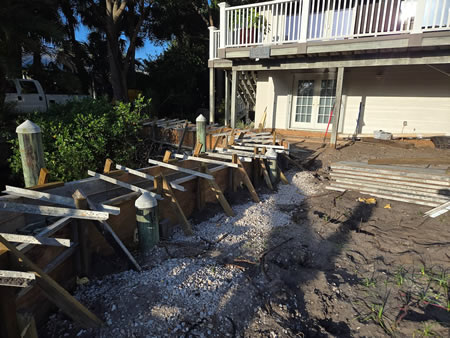
Short answer: sometimes. Tides, rain, and boat wakes along the St. Lucie River and Indian River Lagoon can push water against your wall. Some water release is expected. The key is telling healthy drainage from a true leak. If you are unsure, book a quick seawall inspection with Lands End Marine Construction so a pro can check it during the right tide window.
Many homeowners start searching for Seawall Leaks in Stuart, FL after a storm or king tide. That is smart, because what you see at high tide can look very different at low tide. Our local marine conditions change fast with afternoon thunderstorms, strong fall nor’easters, and weekend boat traffic from Jensen Beach to Port Salerno.
What’s Normal With Weep Holes, Tides, and Splash-Over
Seawalls are built with weep holes or drains so trapped water behind the wall can escape. Light trickling from these holes after heavy rain or as the tide falls is normal. It keeps pressure off the wall and protects your yard.
On windy days or during boat wakes, you may see brief splash-over that rolls back toward the water. After seasonal king tides, water can also push through joints for a short time and then stop as levels drop. That momentary release is part of the wall’s drainage system rather than a failure.
Clear Signs Of A Leak Or Structural Problem
Some symptoms point to more than normal drainage. Watch for patterns that repeat at the wrong time in the tide cycle or signs of soil movement behind the wall. Water carrying sand or soil is not normal.
- Constant or jet-like flow at low tide, long after rain has ended
- Water that looks cloudy or gritty with fine sand or soil
- New depressions, sinkholes, or settlement behind the wall
- Cracks in the cap, leaning panels, or bowing sections
- Fresh rust stains around tie rods or at panel joints
- Grass that stays soggy in a stripe behind the wall even on dry days
Call a pro fast if you see sinkholes, bowed panels, or soil washing out. Those are red flags that pressure is building where it should not, which can escalate during the next high tide or storm.
Common Causes Of Seawall Leaks In Martin County
Local seawalls around Stuart, Sewall’s Point, and North River Shores range from older concrete to newer vinyl systems. Age, materials, and shifting soils all play a role in how water moves through and around the wall.
- Open or failed joints between panels that let water pass and pull soil
- Hairline cracks in panels or the cap that widen with thermal change
- Clogged or missing weep hole filters that allow fines to migrate
- Voids behind the wall from past storms or poor backfill
- Tie-back or anchor movement that creates new gaps for water
- Runoff from roofs or downspouts focused at one spot behind the wall
Our crew looks at both the wall and the yard. Pool overflows, irrigation settings, and driveway grading can all feed water right to the wall, which makes leak symptoms worse during high tides and rain-on-peak events.
How Pros Diagnose Seawall Drainage Issues
Timing matters. We examine the wall across a tide cycle to see how flow behaves as levels rise and fall. Non-staining tracers, gentle probing, and visual checks around joints and weep holes help locate paths where water is moving through the structure or soil.
We also review the cap, tie rods, and returns at property lines, then look behind the wall for soft spots or voids. When needed, we evaluate the backfill and filter fabric at select locations to understand how fines are migrating. If drainage is working but slow, we confirm whether relief paths are sized and filtered correctly for your site conditions.
If we find that your wall needs more than routine maintenance, we will explain options and prioritize safety. You can also browse our broader marine construction services to understand how different upgrades work together on a waterfront lot.
Local insight: During fall king tides, a heavy afternoon storm can stack water on top of already high levels. Brief flow through weep holes may increase for a few hours. If that flow continues well into the next low tide, schedule a professional check before the next front moves in.
Repair Options We May Recommend
Every property is different, so solutions vary by wall type, soil, and site exposure. We focus on restoring proper drainage and stopping soil loss while supporting the wall’s structure.
- Clean and re-filter existing weep holes to release pressure while holding back soil
- Seal or rebuild panel joints and install modern filter fabric where it is missing
- Stabilize voids behind the wall and replace poor backfill with graded material
- Repair or reinforce the cap and address tie-back concerns that allow movement
- Replace damaged panels or add protective riprap where waves or wakes strike hardest
We will walk you through which steps come first and how to schedule work around tides. When a repair is time-sensitive, our team coordinates materials and access so the wall is stabilized as soon as conditions allow. If you want to understand the process in more detail, review our seawall services page for an overview of typical repairs and upgrades.
Preventive Care For Stuart Waterfront Homes
Good habits reduce stress on your wall and help you spot early changes before they grow. They also keep your yard usable during the rainy season.
Try focusing on these basics around homes in Palm City, Jensen Beach, and Rocky Point:
- Schedule a professional seawall check each year and after named storms
- Spread roof and driveway runoff instead of dumping it at one point by the wall
- Keep heavy planters, pavers, and vehicle loads away from the cap
- Watch for new stains, hairline cracks, or soft spots after king tides
- Note tide stage when you see water movement so patterns are easy to verify
Never ignore a bowed wall or a growing sinkhole. Small changes can accelerate after one strong front, especially where wakes and wind line up along open reaches of the river.
When To Call Lands End Marine Construction In Stuart, FL
If water only trickles from weep holes after rain, that can be normal. If it runs at low tide, carries sand, or follows new cracks or leaning panels, it is time to bring in a specialist. Our Marine Construction team will assess the wall, confirm what you are seeing, and outline a plan that fits your property and timing.
For quick scheduling or to talk through symptoms, call 561-722-8822. If you prefer to start online, you can read more about our approach to seawall repairs or explore related work on our site. Your waterfront’s safety and stability come first.
We proudly serve Stuart, Sewall’s Point, Jensen Beach, Palm City, and Port Salerno. When you want local insight backed by experience on our tidal waters, Lands End Marine Construction is ready to help.
REACH OUT TO LANDS END MARINE CONSTRUCTION IN STUART AND SURROUNDING AREAS FOR YOUR NEXT MARINE PROJECT