How Long Does a Seawall Last in Florida’s Saltwater Conditions?
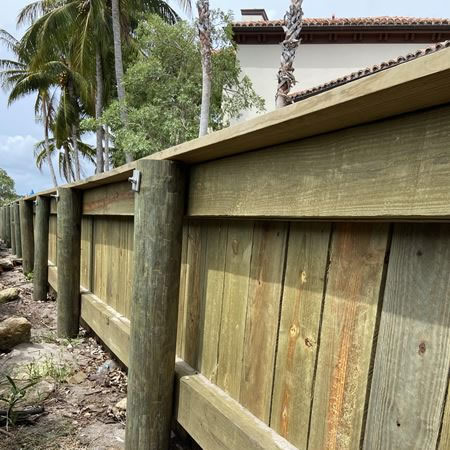
As a waterfront homeowner in Stuart, you have probably asked, “how long does a seawall last in Florida?” The honest answer is that it depends on your site, materials, and upkeep. Well‑designed walls in our saltwater and brackish waterways can protect property for decades, especially when they are engineered and installed by pros who understand local tides, soils, and boat wake. If you are evaluating a new build or a replacement, start by reviewing our local approach to seawall construction and then use this guide to set realistic expectations.
What Determines Seawall Lifespan in Stuart, FL?
Stuart sits where the St. Lucie River and Indian River Lagoon meet the Atlantic. That means your wall faces daily tides, boat traffic in busy spots like the Manatee Pocket by Port Salerno, and seasonal storms. Materials and engineering matter, but so do small details like drainage and soil conditions behind the wall.
- Exposure: Open stretches near Sewall’s Point and Sailfish Point take more wave energy than sheltered canals in Palm City.
- Salinity and water quality: Brackish water and salt spray speed up corrosion on metal and can attack inferior concrete.
- Wake and traffic: Weekend chop on the St. Lucie River and along Hutchinson Island loads walls again and again.
- Subsurface soils: Soft or variable soils need the right tie-back spacing, deadmen, and a cap that locks panels together.
- Drainage: Weep holes and filters let water out without letting soil escape. Missing or clogged drainage shortens life.
Typical Lifespans by Material in Florida Saltwater
Lifespan ranges below reflect real‑world performance in Florida’s coastal conditions when a wall is properly engineered, installed, and maintained. Your site may land on the shorter or longer end of each range.
- Reinforced concrete: Often 30–50 years with quality mix, steel protection, proper caps, and sound tie-backs.
- Vinyl/PVC sheet piling: Commonly 40–60+ years when paired with a reinforced concrete cap and correct anchoring.
- Composite systems (vinyl sheets + concrete cap + enhanced anchors): Frequently among the longest‑lasting residential options.
- Steel sheet piling: Roughly 20–35 years depending on coatings, water chemistry, and maintenance.
- Timber components: Shortest in saltwater; typically a stopgap or used in low‑exposure areas.
Two walls built the same week can age differently if one faces heavy wake or has poor drainage. That is why a local site assessment is so important.
Clear Signs Your Wall Is Nearing End‑Of‑Life
Here on the Treasure Coast, small defects rarely stay small. Watch for these changes across neighborhoods from Golden Gate and North River Shores to Jensen Beach and Sewall’s Point:
Hairline cracks that widen after storms, cap spalling, or rust marks can point to deeper issues. Leaning or bowing sections, daylight showing through panel joints at low tide, or soil settling behind the wall mean the system is losing support. Sinking pavers, wobbly railing posts, or soft spots near the edge often signal voids behind the wall, even when the face still looks “OK.”
Local insight: After a stretch of summer thunderstorms or a fall king tide, walk your shoreline at low tide. If you see new gaps at panel joints or fresh soil staining in the water, schedule a professional inspection. Catching drainage and tie‑back issues early can add years of service life.
How Engineering and Maintenance Add Years
Longevity is not luck. It comes from smart design choices backed by routine professional checks. Tie-back spacing, deadmen size, and cap design work together to resist wave energy and hold the soil line. Proper filters and weep holes release water without letting sand wash out. When docks and lifts sit just behind the wall, the structure carries more complex loads, so alignment and anchoring matter even more.
If you are upgrading your waterside setup, coordinate projects so everything works as one system. For example, when adding or upsizing a lift, make sure your dock framing and pilings are sized for the new forces; our team that handles boat lifts can plan those details alongside shoreline work.
Concrete vs. Vinyl: Which Lasts Longer In Stuart?
Both can last a long time here when they are installed and maintained the right way. Concrete offers mass and rigidity, which helps in high‑energy locations. Vinyl resists saltwater corrosion and avoids internal steel rust, which is why many modern residential walls use vinyl sheets tied into a reinforced concrete cap. On especially exposed lots, a composite approach with upgraded anchors and a heavier cap often delivers the most stable, long‑term result.
Behind the wall, upland features also affect lifespan. Landscaping that traps water against the wall, broken irrigation, or downspouts that dump at the cap can all shorten service life. In some yards, a companion structure like retaining walls reduces pressure on the shoreline and protects patios and plantings.
Stuart, FL Factors That Shorten Service Life
Conditions shift block by block along our waterways. These patterns show up again and again in service calls around Stuart:
- Open‑fetch wind from the east stacks waves along exposed stretches of the Indian River Lagoon.
- Busy weekends add hundreds of wake impacts around the Roosevelt Bridge area and the Manatee Pocket.
- High tides push water through weak joints. If filters are missing, soil escapes and voids grow.
- Long wet spells keep soils saturated, increasing pressure behind the wall and stressing anchors.
If your property sits in a high‑exposure area, planning for a higher safety margin in materials and anchors is wise. A stronger cap, closer tie‑back spacing, and better drainage often pay for themselves in longevity.
How Long Does a Seawall Last in Florida? A Straight Answer
Most Stuart homeowners can expect a well‑built, well‑maintained wall to protect their shoreline for several decades. Concrete systems commonly deliver 30–50 years. Modern vinyl and composite systems often last as long or longer because they stand up better to saltwater. The real key is site‑specific engineering, smart detailing, and periodic professional inspections so small problems do not snowball.
For more background and planning tips, our overview on how long does a seawall last in florida ties this topic to the way Lands End Marine Construction designs and builds waterfront structures in our coastal climate.
Repair Or Replace? When To Plan The Next Step
Repairs can add meaningful life when issues are limited and the wall still has good support. Sealing structural cracks, stabilizing soils, and reinforcing anchors are typical “life‑extending” moves. Replacement becomes the safer choice when the wall leans, tie‑backs can no longer hold, or wide sections show panel separation with repeated washouts behind the structure.
Not sure where your wall stands? A site visit with photos at both low and high tide helps us see what the wall is doing over a full cycle. From there, we outline a right‑sized plan and timeline that fits your shoreline, not a generic checklist. If replacement is the smarter move, learn how we design long‑lasting systems on our page about seawalls.
Why Local Experience Matters On The Treasure Coast
Florida is big, and “coastal” means different things in different counties. Stuart’s mix of river, lagoon, inlet wind, and boat activity calls for local judgment. Material specs, anchor layouts, and cap details that work in a quiet canal may not be enough for an exposed corner lot in Sewall’s Point. Choosing a local team means you get designs proven on the St. Lucie River and Indian River Lagoon, not borrowed from calmer water.
Ready To Protect Your Shoreline For Decades?
Your seawall is your property’s first line of defense. Start with a professional assessment and a clear plan that fits your site, materials, and goals. Explore our approach to design, anchoring, and caps on the page for seawalls, then schedule a visit with Lands End Marine Construction. You can call us at 561-722-8822 to get started.
Bottom line: build for your exposure, keep water moving through the wall not behind it, and fix small issues before they grow. Do that, and your seawall can stand strong for the long haul in Stuart’s saltwater conditions.
REACH OUT TO LANDS END MARINE CONSTRUCTION IN STUART AND SURROUNDING AREAS FOR YOUR NEXT MARINE PROJECT